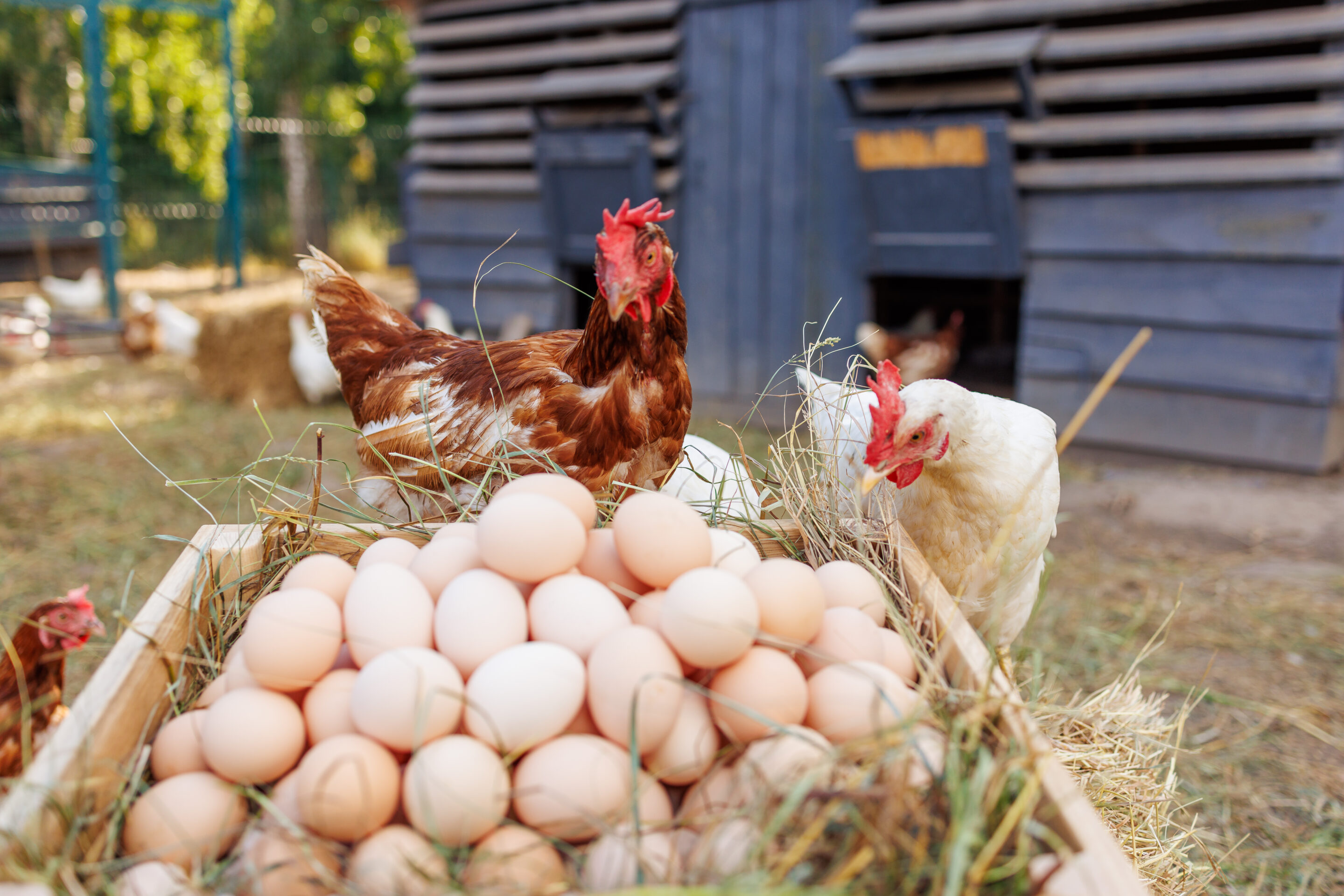
Egg Prices Ruffling Your Feathers? Consider Keeping Backyard Chickens
As egg prices (and shortages) have climbed in recent times, so have the number of backyard chickens. Approximately 11 million U.S. households have backyard chickens, according to the latest data from the American Pet Products Association. That’s close to double the number of households with backyard chickens since 2018. Whether you’re looking to save money or simply embrace a more sustainable lifestyle, backyard chicken farming might be worth checking out.
What is Backyard Chicken Farming?
Backyard chicken farming involves raising a small flock of hens right in your backyard or garden, even within city limits. As more municipalities update their ordinances to allow backyard chickens, many people are taking advantage of an opportunity to take control of their food supply and have uninterrupted access to fresh, high-quality eggs.
The initial investment in a coop and supplies can range from $300 to $1,000. However, each hen can typically lay up to 300 eggs per year, making it a worthwhile venture for those looking to offset grocery costs over the long term. In addition, chickens contribute to composting efforts by providing nutrient-rich manure, and they’re surprisingly efficient at reducing food waste by eating kitchen scraps.
Keeping It Real
Of course, raising chickens isn’t without its challenges. You must gather eggs every day, make sure they have plenty of food and water and clean the coop on a regular basis. Typical backyard hens can live from eight to ten years, so raising chickens is not a short-term job. In addition, chickens also require adequate space ― three to four square feet of space apiece in a coop and at least the same amount of space in a run. There are many options available, including coops on wheels that can be moved around a yard and coops that can be built for less than $100.
Here are two resources to learn more about backyard chicken farming:
- Backyard Chickens (www.backyardchickens.com). A comprehensive community with forums, coop designs and advice from experienced chicken keepers.
- The City Chicken (www.thecitychicken.com). A guide specifically geared toward backyard chicken farming that covers setup, care and city regulations.
Informational Sources: Axios: “People Flock to Backyard Chickens as Egg Prices Spike” (February 15, 2025); Chicken Whisperer Magazine: “Benefits & Challenges of Raising Chickens in Urban Areas” (accessed March 17, 2025); Pets on Broadway: “Raising Chickens in Cities and Suburbs: An Overview” (accessed March 17, 2025).
This material was created for educational and informational purposes only and is not intended as ERISA, tax, legal or investment advice. If you are seeking investment advice specific to your needs, such advice services must be obtained on your own separate from this educational material.
HUB Retirement and Private Wealth employees are affiliated with and offer Securities and Advisory services through various Broker Dealers and Registered Investment Advisers, some of whom may or may not be affiliated with HUB International. HUB International owns the following Registered Investment Advisers: HUB Investment Partners; HUB Investment Advisors; GRP Financial; RPA Financial; and Taylor Advisors. Additional information for each individual HUB International Registered Investment Advisor may be found in the respective Form ADV available on the SEC’s IAPD website at https://adviserinfo.sec.gov. Insurance services are offered through HUB International.
RPW-446-0525