
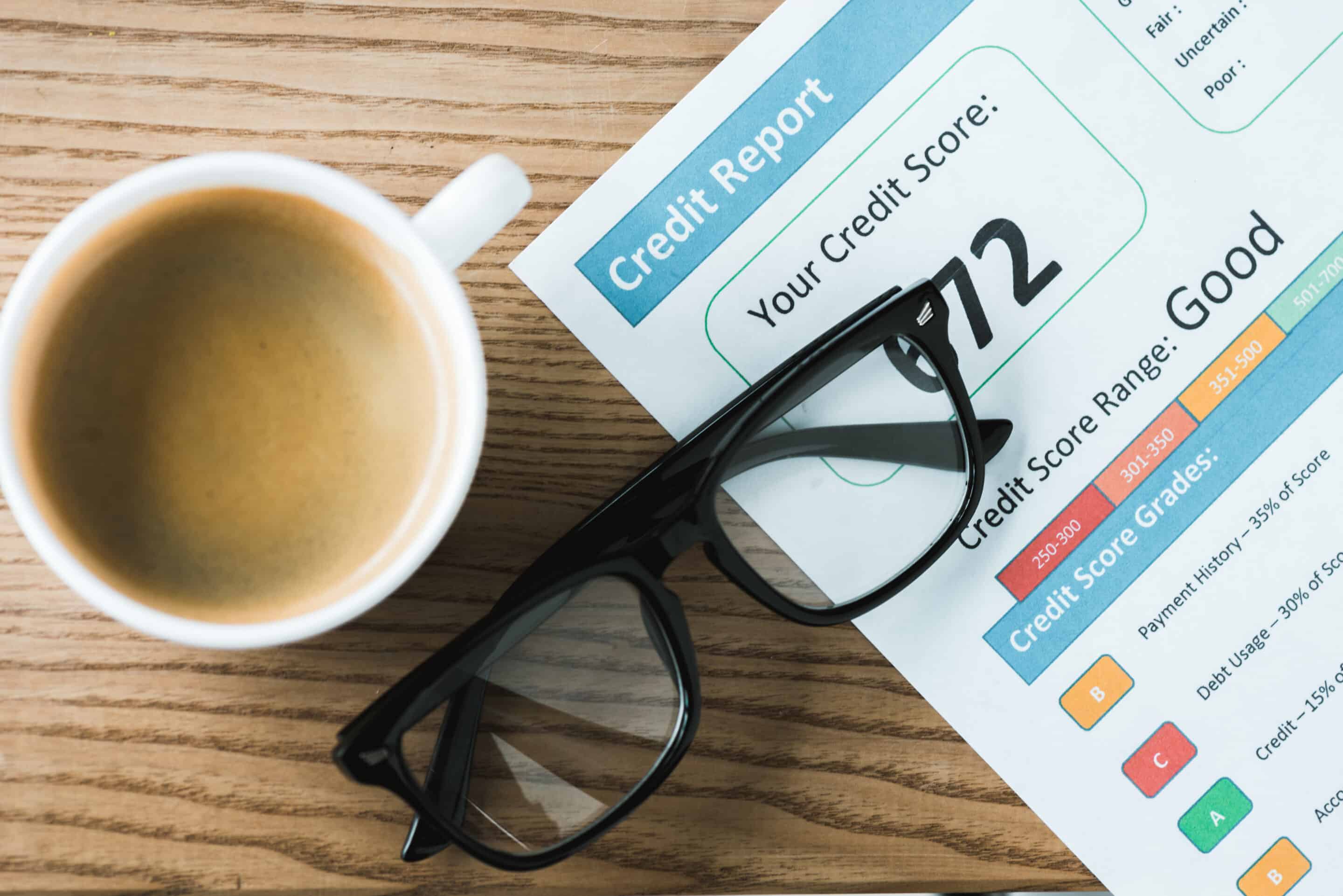
Four Ways To Improve Your Credit Score Over Time
Your credit score plays a quiet but important role in your financial life. It can affect whether you qualify for loans, the interest rates you pay and even things like insurance premiums or rental applications. The good news is that improving your credit score doesn’t require drastic changes — just consistent, smart habits over time.
What Your Credit Score Means
Most credit scores range between 300 and 850. Although different lenders may use different scoring models, scores generally break down like this:
- Excellent: 800 and above
- Very Good: 740–799
- Good: 670–739
- Fair: 580–669
- Poor: Below 580
Higher scores signal to lenders that you manage credit responsibly, which can translate into lower borrowing costs. Here are four key ways to improve your credit score over time:
- Pay Bills on Time—Every Time. Payment history is the single biggest factor in your credit score. Even one missed payment can hurt. Setting up automatic payments or reminders for credit cards, loans and utilities can help ensure you never fall behind.
- Keep Balances Low. How much of your available credit you’re using — often called credit utilization — matters. A good rule of thumb is to keep balances below 30% of your credit limit, and lower is even better. Paying down balances, even gradually, can make a noticeable difference.
- Be Thoughtful About New Credit. Opening several new credit accounts in a short period can temporarily lower your score. Apply for new credit only when you truly need it, and avoid closing older accounts unless there’s a strong reason — longer credit history generally helps your score.
- Check Your Credit Report Regularly. Errors happen, and they can hurt your score. You’re entitled to a free credit report every year from each of the three major credit bureaus — Equifax, Experian and TransUnion — by visiting AnnualCreditReport.com. Reviewing your report allows you to spot mistakes and dispute them if needed.
Improving your credit score is a marathon, not a sprint. Small, steady actions — paying on time, reducing balances and monitoring your report — can add up to meaningful improvements over time and support your broader financial goals.
Informational Sources: Equifax: “How to Improve Your Credit Score” (accessed December 15, 2025); U.S. Bank: “What is a Good Credit Score?” (July 22, 2025).
This material was created for educational and informational purposes only and is not intended as ERISA, tax, legal or investment advice. If you are seeking investment advice specific to your needs, such advice services must be obtained on your own separate from this educational material.
HUB Retirement and Private Wealth employees are affiliated with and offer Securities and Advisory services through various Broker Dealers and Registered Investment Advisers, some of whom may or may not be affiliated with HUB International. HUB International owns the following Registered Investment Advisers: HUB Investment Partners; HUB Investment Advisors; Global Retirement Partners, LLC; RPA Financial; and Taylor Advisors. Additional information for each individual HUB International Registered Investment Advisor may be found in the respective Form ADV available on the SEC’s IAPD website at https://adviserinfo.sec.gov. Insurance services are offered through HUB International.
RPW-555-0226
![[Video] Q1 2026 Economic and Market Commentary](https://hubrpw.com/wp-content/uploads/2026/04/Screenshot-2026-04-23-at-3.45.26 PM.png)